BIATLegal : Top Legal Consultants In India
-
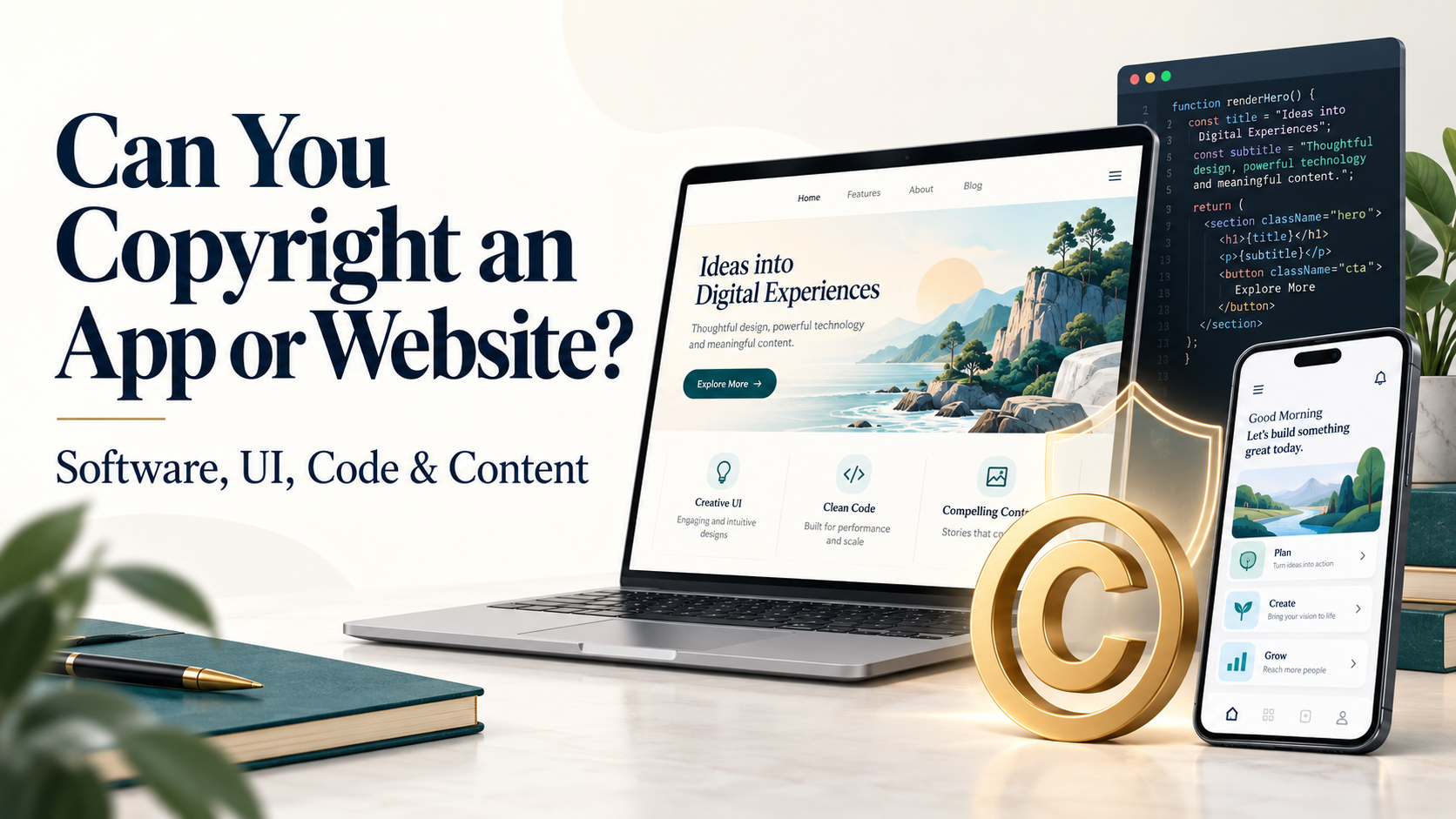
Can You Copyright an App or Website? Software, UI, Code and Content Explained
You have spent months building an app, paid a developer, and finally launched it. Then someone asks, “Do you actually own the code?” It sounds like a question but the answer might depend on your contracts, the people involved, and the components they used. If you are researching copyright registration in Delhi this is a…
-

Design Registration Fees in India (2026): Official Fees and What Affects Total Cost
You’ve made a product that looks different from the rest. Now you want to keep it safe. You don’t want someone else copying it or using it without permission. It’s important to think about how to protect your design. This guide covers design registration in Delhi for 2026. It explains who is eligible, the fees,…
-
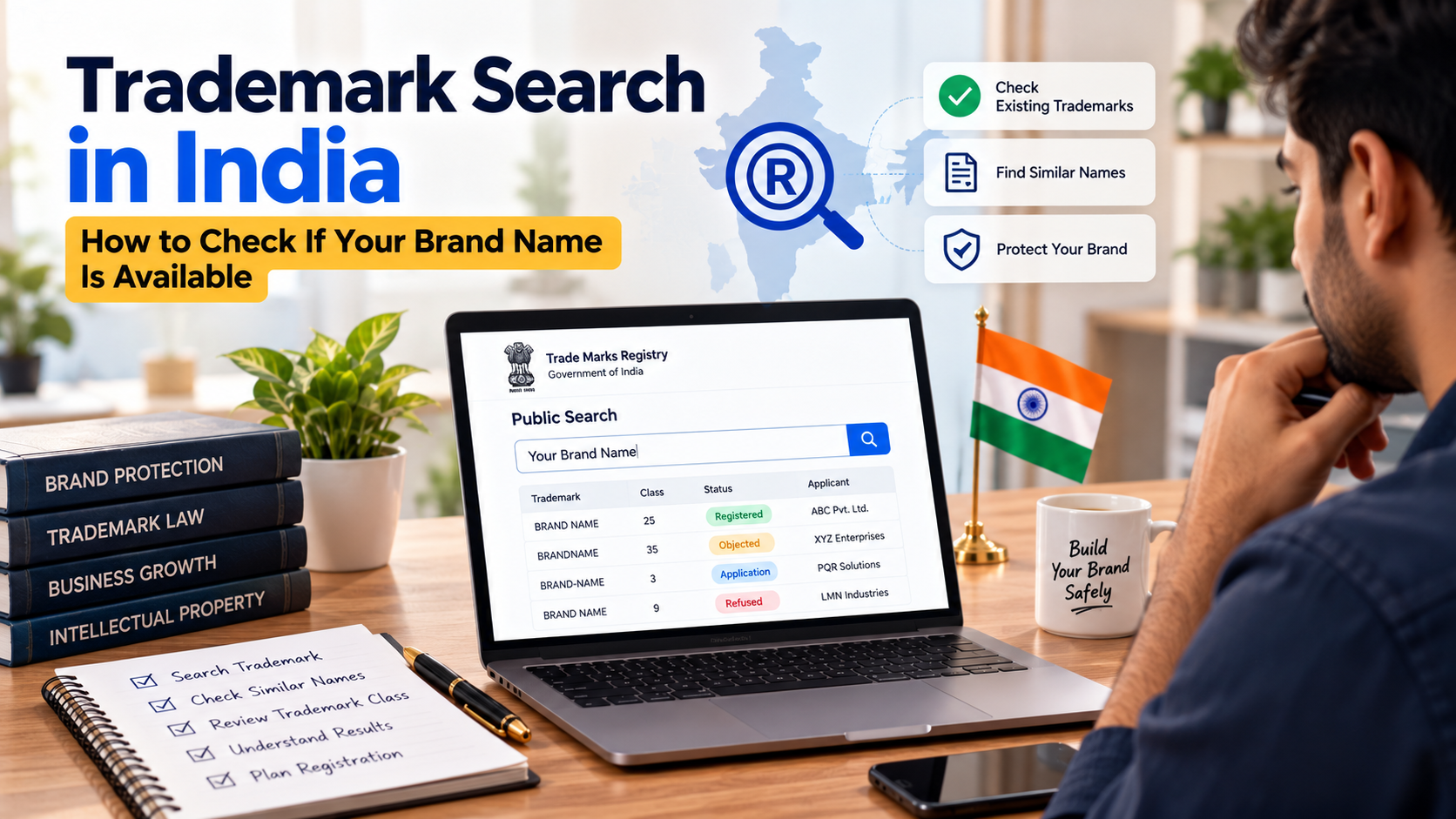
Trademark Search in India: How to Check If Your Brand Name Is Available
You want to make sure your brand name isn’t already taken? You can check that easily using India’s official trademark public search tool. Just type in the name you’re thinking of, pick the trademark class, and go through the results. Don’t skip over names—sometimes a slightly different spelling or wording can already be registered. You’ve…
-

Fractional General Counsel in India: Cost, Scope, and When Startups Need One
A fractional legal consultant in India is a skilled legal expert who helps companies on a temporary or ongoing basis. Basic legal support agreements can start at around ₹10,000 per month. The cost goes up when the work gets more detailed. The more complicated the legal issues are, the higher the price. The more assistance…
-

How Color Combinations Can Be Protected as Trademarks in India
In today’s competitive marketplace, brand identity goes far beyond logos and names. Color combinations play a powerful role in shaping consumer perception and brand recall. Recognizing this, Indian trademark law allows the protection of distinctive color combinations as trademarks—provided certain legal conditions are met. Understanding this concept is crucial for businesses looking to strengthen their…
-

Trademark Protection for Mobile App Icons and UI Elements
In today’s app-driven digital economy, a mobile application’s icon and user interface (UI) are critical brand assets. These visual elements help users instantly recognize an app and build trust. Protecting them through trademark registration is essential for businesses seeking long-term brand security, especially in competitive markets like Delhi. Why Mobile App Icons and UI Elements…
-
Who Owns the Rights? Copyright in Ghostwriting and Co-Authorship Agreements
In today’s digital-first economy, content is often created collaboratively. From books and blogs to online courses and marketing materials, ghostwriters and co-authors play a significant role in content creation. However, one critical question frequently leads to disputes: who owns the copyright? Understanding copyright ownership in ghostwriting and co-authorship agreements is essential for creators, publishers, and…
-
Assignment vs. Licensing of Trademarks: Key Legal Differences Explained
Trademarks are valuable intellectual property assets that represent a brand’s identity, goodwill, and market reputation. As businesses expand, monetize, or restructure, they often need to transfer or share trademark rights. Two common legal mechanisms for this are trademark assignment and trademark licensing. While both involve the use of a trademark by another party, their legal…
-

Defensive Trademark Registration: Why Big Brands File in Unused Classes
In today’s highly competitive and brand-driven marketplace, trademarks are no longer limited to current products or services. Leading brands increasingly adopt defensive trademark registration strategies to protect their reputation and future business interests. One such strategy involves filing trademarks in unused or unrelated classes—a practice commonly seen among large corporations and growing startups alike. This…
-
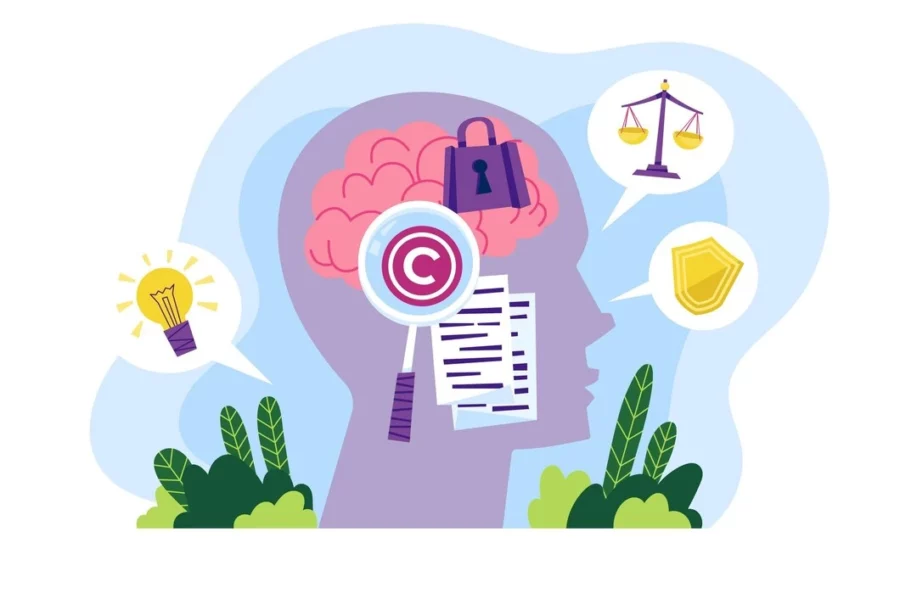
How to Protect Video Courses and Online Coaching Material from Content Theft
The rapid growth of online education has made video courses and digital coaching materials valuable intellectual assets. However, with increased accessibility comes a higher risk of content theft, unauthorized sharing, and duplication. For educators, trainers, and coaching institutes, protecting digital content is no longer optional—it is essential. This blog explains how creators can safeguard their…
Got any book recommendations?